


Pomfret
What is Pomfret
The Pomfret is most commonly known for its soft, buttery flesh, often referenced in the name ‘Butterfish', as well as its deep-bodied shape referred to as ‘Pompano'. These fish are found worldwide and commonly feature in seafood restaurants and dishes due to their delicate, aromatic flavour. Several types of Pomfret include Black Pomfret, Silver Pomfret, and Butter Fish. The Black Pomfret is usually grilled or steamed; light sauces or spices often complement its more robust flavour. While the Silver Pomfret has a sweet flavour and light, delicate texture and is usually served with vegetables or salads.
Supports cardiovascular health
Pomfret fish is rich in omega-3 fatty acids, which are essential for maintaining a healthy heart. These fatty acids help to reduce inflammation, improve blood vessel function, and decrease the risk of heart disease. Eating pomfret regularly may also help to lower cholesterol levels and prevent blood clots.
Improves vision and cognitive function
Pomfret fish is a good source of vitamin a, which is essential for maintaining healthy eyesight. It also contains omega-3 fatty acids, which have been shown to support cognitive function and improve memory. Adding pomfret to your diet may help to keep your brain sharp and your eyes healthy.
Strengthens bones and immune system
Pomfret fish is rich in vitamin d, which is essential for healthy bones and teeth. It also contains selenium, which is important for a strong immune system. Eating pomfret regularly may help to prevent osteoporosis and keep your immune system functioning properly.
Culinary uses
Frozen golden pomfret is a versatile fish that can be prepared in a variety of ways. It can be grilled, baked, fried, or steamed, and can be seasoned with a wide range of herbs and spices to suit your taste preferences. Its mild flavor makes it a great choice for pairing with different ingredients and flavors.
Health benefits
Frozen golden pomfret has been found to provide several advantages. Its high protein content can help support muscle growth and repair, while its omega-3 fatty acids can improve brain function and reduce inflammation in the body. Additionally, the vitamins and minerals found in this fish can help boost your overall health and well-being.


Why Choose US
Our factory
Taizhou hongyu aquatic product co., ltd. Was founded in 2015, located in the beautiful coastal city of taizhou, zhejiang province, covers an area of 10,000 square meters, is engaged in aquatic products processing and export enterprises.
Quality assurance
Our frozen fish products meet the highest industry standards and are certified for safety and quality. Due to the strong and reasonable comprehensive supporting capabilities, all products can be completed in our company at one time, reducing intermediate links and reducing external hidden dangers that affect product quality.
Professional team
Our company is a large aquatic products processing factory, more than 200 employees, cold storage up to 30,000 tons, with consummate processing equipment and excellent professional sales team.
Our services
Good price - Large stable quantity
Big capacity - Plenty of reliable plants
Good quality - Experienced qc team
Perfect service - We insist customers are our top priority. Good package, good quality, delivery fast.
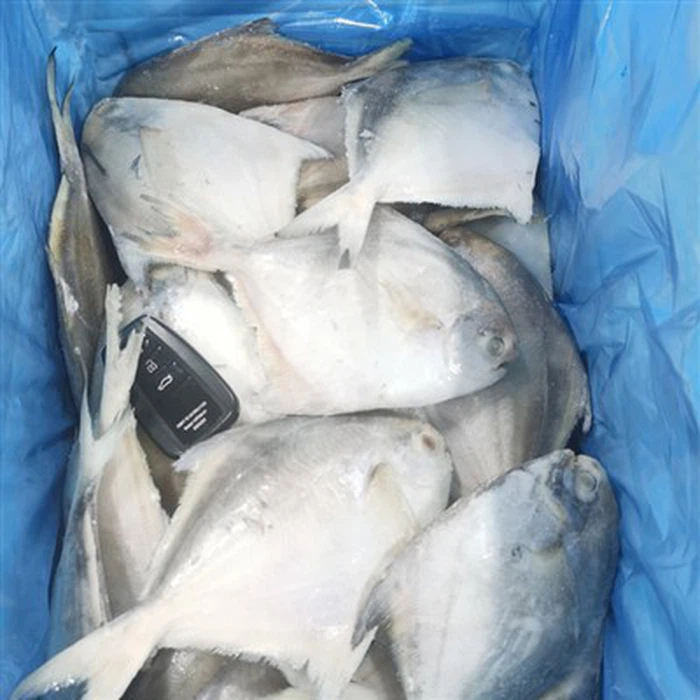
Pomfret fish is not only delicious but also packed with nutrients that are essential for your overall health. Here are some of the key nutrients found in pomfret fish:
Rich in Omega-3 and Proteins
Pomfret fish is an excellent source of omega-3 fatty acids, which are essential for maintaining heart health and reducing inflammation in the body. Omega-3 fatty acids are also important for brain function and can help improve cognitive performance.
In addition to omega-3 fatty acids, pomfret fish is also rich in proteins. Proteins are essential for building and repairing tissues in the body, and they also help to maintain muscle mass and strength.
Vitamins and Minerals Galore
Pomfret fish is loaded with vitamins and minerals that are essential for good health. Here are some of the key vitamins and minerals found in pomfret fish:
Vitamin D: Pomfret fish is an excellent source of vitamin D, which is important for maintaining strong bones and teeth.
Vitamins A: Pomfret fish is also rich in vitamin A, which is essential for maintaining healthy eyesight and skin.
Minerals: Pomfret fish is a good source of minerals such as calcium, iodine, and selenium, which are important for maintaining good health.
Vitamin B12: Pomfret fish is also a good source of vitamin B12, which is important for maintaining healthy nerves and red blood cells.
Preparing your pomfret fish is a simple and straightforward process. You can steam it, fry it, or bake it, depending on your preference. Steaming is one of the most popular methods as it preserves the natural flavour and texture of the fish. You can also marinate it with a variety of seasonings and spices to add more depth to the flavour.
Preparing Your Pomfret
A pomfret fish lies on a cutting board surrounded by ingredients like ginger, garlic, and spices. A knife and cutting board are ready for preparation
Before you start cooking your delicious pomfret fish, there are a few things you need to do to prepare the fish properly. This section will guide you through the preparation process to ensure that your fish is cooked to perfection.
Selecting the Best Fish
When selecting your pomfret fish, look for a one with shiny skin and clear eyes. The flesh should be firm and white with no discolouration or browning. You can also choose to buy a frozen pomfret fish, but make sure to thaw it properly before cooking.
Cleaning and Prepping
The first step in preparing your pomfret fish is to clean it thoroughly. Remove the scales by scraping the skin with a knife or a scaler. Cut off the fins and tail and discard them. Rinse the fish under cold running water and pat it dry with a paper towel.
Seasoning the Fish
To add flavour to your pomfret fish, season it with salt, pepper, lemon, garlic, ginger, turmeric powder, or lime juice. Rub the seasoning all over the fish, including the cavity.
Choosing Your Cooking Method
There are several ways to cook pomfret fish, including frying and steaming. Frying is best for crispy skin and a golden-brown finish, while steaming is ideal for a tender and moist result. Choose the method that suits your taste and cooking skills.
Cooking Tips
When frying your pomfret fish, use high heat and oil for frying. A wok is the best pan to use for frying. Be careful not to overcook the fish, as it can become tough and dry. When steaming, make sure to keep the water boiling and not to overcrowd the steamer basket.
Serving Suggestions
Pomfret fish pairs well with rice and vegetables. Garnish with lemon slices, coriander, cilantro, soy sauce, fish sauce, green onions, or red chilli. Tomatoes can also add a refreshing touch to your dish.
Accompaniments
To complete your meal, serve your pomfret fish with a side of steamed rice and stir-fried vegetables. You can also pair it with a light salad or a soup.
Food Safety
Make sure to handle your pomfret fish properly to avoid any foodborne illnesses. Wash your hands and utensils before and after handling the fish. Cook it to an internal temperature of 63°C to kill any harmful bacteria.
Storage and Reheating
If you have any leftovers, store them in an airtight container in the fridge for up to three days. To reheat, place the fish in a steamer basket and steam for a few minutes until heated through.
Nutritional Breakdown
Pomfret fish is a great source of protein and white meat. It is also low in calories, saturated fat, trans fat, and cholesterol. It contains unsaturated fat, sodium, carbohydrates, and fiber.

Proper thawing is critical for maintaining the quality of your frozen fish. we recommend two primary methods to ensure that your fish retains its texture, flavour, and nutritional value.
Refrigerator Thawing: The Safe and Slow Way
For the best results, thawing your fish in the refrigerator is the method we advocate. This slow process allows the fish to gradually come to the right temperature, ensuring even thawing and preventing the growth of harmful bacteria. Simply place your frozen fish in the refrigerator the night before you plan to cook it. By the next day, it will be ready to prepare, preserving its peak freshness as if it were freshly caught.
Quick-Thawing in Cold Water: When Time Is of the Essence
If you're short on time, a cold water quick-thaw is a safe alternative. Seal your fish in a leak-proof bag and submerge it in cold tap water, changing the water every 30 minutes to continue the thawing process. This method can thaw fish in as little as an hour, depending on the size of the fillets.
Why Not Room Temperature or Microwave?
Thawing fish at room temperature or in the microwave can lead to uneven thawing and potential bacterial growth. These methods can also negatively impact the texture and flavour of the fish. To ensure the highest quality and safety, stick to the recommended refrigerator or cold water methods.
Pomfret is a species of deep-bodied and laterally compressed fish belonging to the family Bramidae. It is found in the coastal waters of the Atlantic Ocean, with specimens typically ranging in size from 20 to 40 centimetres (7.9 to 15.7 inches) and a maximum length of up to 50 centimetres (20 inches).
Pomfret have an elongated and cylindrical body with no scales, two dorsal fins, an anal fin, and two small pectoral fins at the back end. Its distinctive features include a laterally compressed form, a large and heavy head, an upturned mouth, a single sharp spine located just above the operculum, and long and slender pectoral fins.
They are considered to be some of the fastest fish in the sea, capable of reaching speeds up to 11.5 mph (18.6 km/h). Their swimming is characterised by the undulation of their body and caudal fin to propel themselves forward. They possess highly efficient gills for extracting oxygen from the surrounding water and a lateral line system to detect pressure, vibrations, and water movements.
Furthermore, Pomfrets communicate with one another through sound produced by their swim bladder, which can be used to attract mates, ward off predators, and coordinate group behaviour.

Cooking Techniques
Pomfret is typically prepared whole or in fillets. Before cooking, they should be washed and patted dry, then lightly rubbed with oil, butter, salt, and pepper.
For extra flavour, a marinade of oil, butter, herbs, spices, and a splash of citrus juice can be added.
It is important to use light oil or butter when pan-frying or grilling. In addition, you can steam Pomfret over vegetables like carrots and celery in thin slices.
Before deep-frying, lightly glaze the Pomfret with oil.
Side Dishes to Pair with Pomfret
The best side dishes to pair with a Pomfret dish depend on the flavour profile and the preparation of the Pomfret.
Roasted Pomfret can be served with various vegetables such as carrots, bell peppers, onions, asparagus and kale sauteed in garlic and olive oil, as well as spices and herbs thyme, parsley, shallots and garlic.
Roasted potatoes or Ratatouille are a great accompaniment to accompany shallow-fried or pan-fried Pomfret.
When steaming or serving Pomfret in a lighter dish, a side of light salad, such as a kale and quinoa salad or a couscous salad, as well as steamed vegetables or mashed potatoes, are ideal.
Sauces and Chutneys
For an extra flavorful accompaniment, tandoori or curry sauces are great to serve with Pomfret. Lemon butter or wine sauces are also great options to give the fish more flavour. It is possible to add another layer of taste with ingredients such as capers, tomatoes, olives, and capers.
For a classic finish, chutney or relish is the perfect accompaniment. Sauteed garlic, tomato, and onion chutney are great options, as the sweetness of the vegetables and the acidity of the tomato balance the flavour of the Pomfret. Pomfret goes well with a side of tartar sauce or remoulade.
It would be best to use spices and marinades sparingly to prevent overpowering this fish's delicate flavour. You can create a sweet and spicy marinade with chilli powder, honey, lime juice, and coconut oil.
Pomfret can be cooked in many ways, including baking, broiling, grilling, steaming, frying, and other methods such as stuffing, pan-frying, braising, and boiling.
Baking is best done by prepping the Pomfret as stated before, then placing it on a baking sheet and baking it at 400F for about 15-20 minutes.
When broiling, the same preparation steps apply to baking, but the fish should be placed under the broiler for around 8-10 minutes, flipping it halfway through.
Marinate the Pomfret with the mentioned oil and herbs, and then grill it over medium heat for 5-8 minutes per side.
Steaming can be as simple as placing the Pomfret on a tray with some vegetables and then steaming it at low heat for around 10 minutes.
Frying involves dredging the Pomfret in a flour-based batter and then frying it for about 3-5 minutes, flipping it halfway.
You can safely freeze most fish for up to 3-6 months. After that, the quality of the fish will start to decline. Fatty fish, such as salmon, should be frozen for up to 3 months. You can freeze smoked seafood, including smoked salmon, for 6 months. Leaner fish will maintain its quality for up to 6 months. This guidance is for home freezers. When seafood is frozen by commercial freezers and held in commercial freezers, it typically maintains its' quality for up to two years.
Pro Tip: For optimal quality, we recommend freezing seafood for 3 months or less.
Pro Tip: Bloodlines in swordfish or red fish such as tuna will become brown over time unless treated with CO. These are still safe to cook and consume.
Pro Tip: We recommend marking your seafood with the date you place it in the freezer.

FAQ
As one of the leading pomfret manufacturers and suppliers in China, we warmly welcome you to buy bulk cheap pomfret in stock here from our company. All customized products are with high quality and competitive price. Contact us for quotation.