


Frozen Fish
Taizhou Hongyu Aquatic Product Co., Ltd. was founded in 2015, located in the beautiful coastal city of Taizhou, Zhejiang Province, Is engaged in aquatic products processing and export enterprises. Our export products are mainly Pacific mackerel,Spanish mackerel, pomfret, tuna, grey mullet, yellow croaker, sardines, monkfish, etc., exported to Europe, America and Southeast Asia and other countries.
Why Choose US
Our Factory
Our company is a large aquatic products processing factory, covers an area of 10,000 square meters,more than 200 employees, cold storage up to 30,000 tons, with consummate processing equipment and excellent professional sales team.
Quality Assurance
Our frozen fish products meet the highest industry standards and are certified for safety and quality. Due to the strong and reasonable comprehensive supporting capabilities, all products can be completed in our company at one time, reducing intermediate links and reducing external hidden dangers that affect product quality. Our frozen fish products are produced in accordance with strict hygiene and safety protocols.
Main Market
In 2003, we began exporting to all countries in the world. Our experience is extensive. Our products are exported to Southeast Asia, Africa, the Middle East, Oceania, etc.
Excellent service
We maintain excellent quality and the best price, as well as the best after-sales service. When we develop new products we would provide the latest information for you.


Frozen Bonito Tuna
All skipjack products are from wild harvest fisheries. Tuna Bonito skipjack fish is heavily fished yet is abundant and very resilient because it is fast-growing, short-lived and very fecund.
Pacific Mackerel Fillet
Pacific Mackerel fillet is rich in various vitamins, particularly vitamin B group, vitamin A, and vitamin E. Pacific Mackerel fillet is important to note that mackerel lacks vitamin C. Therefore, when consuming mackerel, Pacific Mackerel fillet is essential to also include foods that are high in vitamin C to ensure a well-balanced nutrition.
Sardine HGT
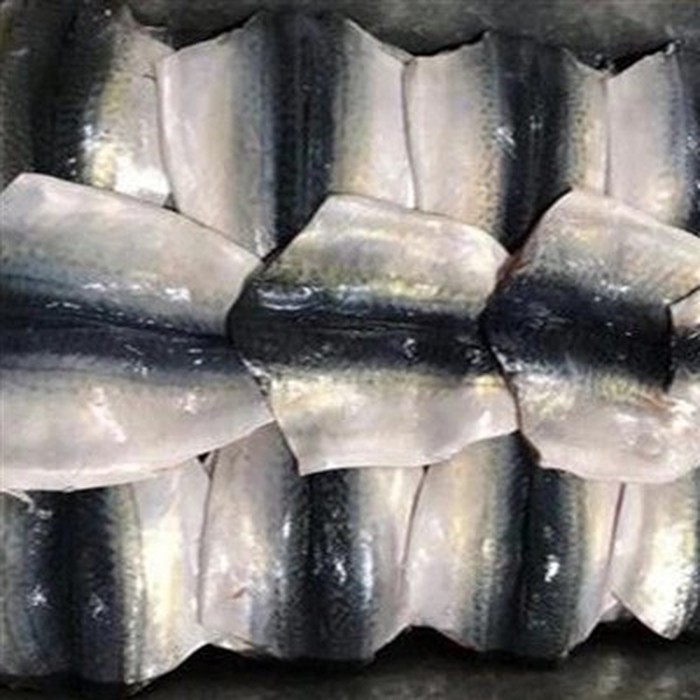
Sardines HGT are surprisingly nutritious, rich in fatty acid protein and calcium, after processing with fresh sardines HGT, it is more convenient to use, and the nutrients are not destroyed during the canning process.


Frozen Pacific Saury
The frozen pacific saury fish is a kind of elongated body, like a knife.It has a small mouth,a series of small finlets between the dorsal and anal fins, and a small forked tail.The frozen pacific saury can be for market sale or canning.
Frozen Horse Mackerel
Frozen horse mackerel, also known as Scad, is a highly sought after fish in the global seafood market.Frozen horse mackerel is Commonly found in tropical and subtropical waters around the world, frozen horse mackerel is known for its delicate taste, tough texture and rich nutrient content.
Monkfish Whole Round
Monkfish whole round has a short, soft body that is scaleless and slightly spindle-shaped, with a cylindrical front and flat rear side. The general body length of a monkfish whole round ranges from 40 to 90 cm, with weights varying from 300 grams to 8 kg. monkfish whole round is known for their super large mouths filled with teeth and their rare flat body shape. Additionally, the skin on their bodies is sticky.
Advantages of Frozen Fish
Frozen Is Actually Fresher
When our fishermen catch salmon, black cod, or any Alaskan fish, they haul them aboard and put them on ice within minutes. Their freshness-that wild-caught taste-is frozen in time; our fish don't spend their journey being thawed and re-frozen several times.
Taste Can Travel Farther
When fresh seafood is flash frozen, it can be shipped further away without compromising the taste. Midwesterners and those on the East Coast can enjoy a taste of the Pacific Northwest when it's been expertly preserved.
Texture Is Expertly Preserved
When a fish is frozen, thawed, and then thrown in the freezer again, the process compromises the texture of the fish. Ice crystals form, melt, and then re-form within the meat every time it's frozen, making the “fresh” fish at your supermarket feel a little soggy.
Nutrition Is Sealed In
When we flash-freeze our fish just minutes after catching them, the process locks in not only the taste and texture but the nutritional value of the fish. Enjoy all those heart-healthy omega-3s and high levels of protein the way they were meant to be enjoyed-deliciously! Flash-freezing also helps prevent bacteria from growing in the meat, so it's both healthy and safe.
Specification
|
Specification |
Frozen Fish |
|
Storage Type |
Cool storage |
|
Ingredients |
100% natural frozen fish |
|
Content |
Natural frozen fish |
|
Weight (kg) |
1kg |
|
Max. Moisture (%) |
14% max |
|
Feature |
Nutritious, EFFECTIVE |
|
Package |
1kg/bag or customer request |
|
shelf life |
24 months |
Our frozen fish are free of cholesterol and carry omega 3 fatty acids, making it a wonderful way to provide your body with the best possible fuel for your health.
Fish has been demonstrated to be good for cardiac illness, cancer, diabetes and Alzheimer's disease prevention.
Fat Content in a 3-ounce cooked Serving of Common Types of Fish and Shellfish:
High Fat (10 grams or more)
Herring, Mackerel, Sardines, Salmon (Atlantic, Coho, Sockeye and Chinook)
Medium Fat (5 to 10 grams)
Bluefish, Catfish, Rainbow trout, Swordfish
Low Fat (2 to 5 grams)
Tilapia, Halibut, Mussels, Ocean perch, Oysters, Pacific rockfish, Salmon (Chum, Pink)
Very Low Fat (less than 2 grams)

Insulated boxes
Use foam or other packing material to minimize movement in transit
Make sure your seafood is sealed airtight
There are also requirements that vary based on the type of seafood you're shipping, including packaging strategies and temperatures.
By addressing the inherent challenges of shipping perishables at freezing temperatures, shippers can guarantee the delivery of premium-quality frozen seafood every time.Keeping it frozen throughout its journey is paramount to maintaining its quality, taste, and texture.
Step 1: Instant Online Quote
Every custom bag we print goes through a very specific set of steps, from choosing your bag size, material and configurations, to proofing, to final delivery.
We make it easy for you to get an instant online estimate using our bag calculator. Choose how many bags you want, how soon you need them, what type of bag you want and what features you want.
Step 2: Sizing and Configuration
Pick the exact right size custom printed pouches for your product. All custom printed pouches that we sell can be custom sized, with custom die-cut windows, or other unique configurations. Generally if it is possible with a flexible material then we can supply your custom printed pouches, not a problem.
Because printing occurs before the bag or pouch is made, (we print the roll stock), sizing and configuration is totally customizable to your specifications. You can customize the size of your package to exactly what you need.
Step 3: Master Art Proofs
There are many technical considerations when printing barrier films, and we do all that work for you. We'll take your original art files and set them up for printing to ensure you get the best quality printing, and develop digital art proofs that you can revise.
Step 4: Material Is Printed
We offer Digital, Plate, and cylinder printing options for making your custom printed pouches. So once the material rolls are cut, treated, they are then printed, and finally any lamination is applied (matte, gloss etc).
Step 5: The Bags Are Made!
The printed material is then made into your bag.We offer a selection of finishing laminations, and varnishes for your custom printed pouches.
The Production Process of Frozen Fish


The term fish processing refers to the processes associated with fish and fish products between the time fish are caught or harvested, and the time the final product is delivered to the customer. Although the term refers specifically to fish, in practice it is extended to cover any aquatic organisms harvested for commercial purposes, whether caught in wild fisheries or harvested from aquaculture or fish farming.
Fish processing can be subdivided into fish handling, which is the preliminary processing of raw fish, and the manufacture of fish products. Another natural subdivision is into primary processing involved in the filleting and freezing of fresh fish for onward distribution to fresh fish retail and catering outlets, and the secondary processing that produces chilled, frozen and canned products for the retail and catering trades.
Fish is a highly perishable food which needs proper handling and preservation if it is to have a long shelf life and retain a desirable quality and nutritional value. The central concern of fish processing is to prevent fish from deteriorating. The most obvious method for preserving the quality of fish is to keep them alive until they are ready for cooking and eating.
The control of temperature using ice, refrigeration or freezing.
The control of water activity by drying, salting, smoking or freeze-drying.
The physical control of microbial loads through microwave heating or ionizing irradiation.
The chemical control of microbial loads by adding acids.
Oxygen deprivation, such as vacuum packing.
Usually more than one of these methods is used. When chilled or frozen fish or fish products are transported by road, rail, sea or air, the cold chain must be maintained. This requires insulated containers or transport vehicles and adequate refrigeration. Modern shipping containers can combine refrigeration with a controlled atmosphere.
If the temperature is decreased, the metabolic activity in the fish from microbial or autolytic processes can be reduced or stopped. This is achieved by refrigeration where the temperature is dropped to about 0 °C, or freezing where the temperature is dropped below -18°C. On fishing vessels, the fish are refrigerated mechanically by circulating cold air or by packing the fish in boxes with ice. Forage fish, which are often caught in large numbers, are usually chilled with refrigerated or chilled seawater. Once chilled or frozen, the fish need further cooling to maintain the low temperature. There are key issues with fish cold store design and management, such as how large and energy efficient they are, and the way they are insulated and palletized.
An effective method of preserving the freshness of fish is to chill with ice by distributing ice uniformly around the fish. It is a safe cooling method that keeps the fish moist and in an easily stored form suitable for transport. It has become widely used since the development of mechanical refrigeration, which makes ice easy and cheap to produce. Ice is produced in various shapes; crushed ice and ice flakes, plates, tubes and blocks are commonly used to cool fish. Particularly effective is slurry ice, made from micro crystals of ice formed and suspended within a solution of water and a freezing point depressant, such as common salt.
Other Services
|
Package |
Cartons |
|
Shelf life |
24months |
|
MOQ |
1*40'FCL (44000-50000lbs) |
|
Delivery Time |
With in 25days after confirmations |
|
Payment Terms |
A:T/T with 30% prepayment ,70% against scan copies |
|
B:L/C at sight with acceptable issuing bank |
|
|
Shopping Docs |
1.Commercial Invoice |
|
2.Packing List |
|
|
3.Certificate of origin |
|
|
4.Health Certificate |
|
|
5.Bill of Loading |
|
|
6.Form A/Form E |
Good Price - large stable quantity
Big Capacity - Plenty of reliable plants
Good Quality - Experienced QC team
Perfect Service - We insist customers are our top priority
FAQ
As one of the leading frozen fish manufacturers and suppliers in China, we warmly welcome you to buy bulk cheap frozen fish in stock here from our company. All customized products are with high quality and competitive price. Contact us for quotation.