


As a supplier of skipjack tuna, I've witnessed firsthand the complexities and nuances involved in determining the quality of this popular fish. Skipjack tuna, known for its firm texture and mild flavor, is a staple in many cuisines around the world. Whether it's canned, fresh, or frozen, the quality of skipjack tuna can significantly impact its taste, nutritional value, and market price. In this blog post, I'll share some insights into how the quality of skipjack tuna is determined, from the moment it's caught to the time it reaches your plate.
Fishing Methods and Sustainability
The journey of determining skipjack tuna quality begins with the fishing methods used. Sustainable fishing practices are not only crucial for the long - term health of tuna populations but also play a role in the quality of the fish. For instance, pole - and - line fishing is considered one of the most sustainable methods. This method involves using a single fishing line with a baited hook, which targets individual fish. As a result, it reduces the by - catch of non - target species and minimizes damage to the tuna itself. Skipjack tuna caught using pole - and - line methods are often of higher quality because they are less stressed during the catch process, which can lead to better flesh quality.

On the other hand, purse - seine fishing, while more efficient for large - scale catches, can sometimes result in more stressed fish. When a large number of tuna are caught in a net at once, they can become agitated, which may affect the quality of their meat. As a supplier, I always prioritize working with fishing partners who use sustainable and low - stress fishing methods to ensure the best possible quality of our skipjack tuna.
Freshness at the Source
Once the skipjack tuna is caught, freshness becomes the key factor in determining its quality. The first step after catching is to immediately chill the fish. This helps to slow down the decomposition process and preserve the texture and flavor of the meat. In the fishing industry, the time between catch and chilling is often referred to as the "time - to - ice." The shorter this time, the better the quality of the tuna.
At sea, fishermen typically use ice or refrigerated seawater to cool the fish. For our supply chain, we ensure that our fishing vessels are equipped with proper chilling facilities to maintain the freshness of the skipjack tuna from the moment it's caught. This initial step is crucial because fresh tuna has a bright red color, a firm texture, and a clean, mild smell. Any delay in chilling can lead to a loss of freshness, resulting in a duller color, softer texture, and a more pronounced fishy odor.
Visual Inspection
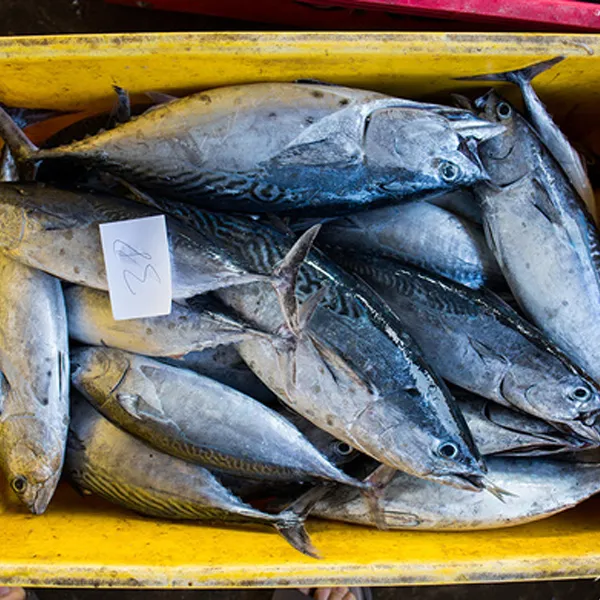
Visual inspection is one of the most common ways to assess the quality of skipjack tuna. When the fish arrives at the processing facility, trained inspectors carefully examine the external appearance of the tuna. A high - quality skipjack tuna should have a shiny, unblemished skin with a vibrant color. The eyes should be clear and bulging, and the gills should be bright red, indicating good oxygenation.
Any signs of damage, such as cuts, bruises, or discoloration, can be an indication of poor handling or a lower - quality fish. For example, if the skin has dark spots or is dull in color, it may suggest that the fish has been exposed to warm temperatures for too long or has suffered from some form of physical damage. As a supplier, we conduct thorough visual inspections at every stage of the supply chain to ensure that only the highest - quality skipjack tuna make it to our customers.
Texture and Firmness
The texture and firmness of the skipjack tuna flesh are also important indicators of quality. High - quality tuna should have a firm, elastic texture. When you press on the flesh, it should bounce back quickly. A soft or mushy texture is a sign of poor quality, which could be due to factors such as improper handling, over - aging, or bacterial spoilage.
To assess the texture, we often use a simple touch test. Our quality control team gently presses on the flesh of the skipjack tuna at different points to check for consistency. In addition, we also use more advanced techniques such as shear force analysis in our laboratory. This method measures the force required to cut through the tuna flesh, providing a quantitative measure of its firmness. By ensuring that our skipjack tuna has the right texture, we can guarantee a better eating experience for our customers.
Color Analysis
The color of the skipjack tuna flesh is another critical factor in determining its quality. Fresh skipjack tuna has a bright red color, which is a sign of high levels of myoglobin, a protein that stores oxygen in the muscle. As the tuna ages or is exposed to improper storage conditions, the color of the flesh can change. It may turn brown or gray, indicating oxidation and a loss of quality.
We use colorimeters to measure the color of the skipjack tuna flesh accurately. This helps us to ensure that the color of our tuna meets the industry standards for freshness and quality. By monitoring the color, we can also detect any early signs of spoilage and take appropriate measures to maintain the quality of our products.
Processing and Handling
The way skipjack tuna is processed and handled after it reaches the processing facility also has a significant impact on its quality. During processing, it's important to maintain a clean and hygienic environment to prevent contamination. This includes proper sanitation of equipment, storage areas, and the hands of workers.
For frozen skipjack tuna products, such as Frozen Bonito Tuna, Frozen Bonito Skipjack Tuna, and Frozen Skipjack Tuna Whole Round, the freezing process is crucial. Quick freezing at a very low temperature helps to preserve the texture and flavor of the tuna. Slow freezing can cause the formation of large ice crystals, which can damage the cell structure of the meat and lead to a loss of quality.
As a supplier, we have strict processing and handling protocols in place to ensure that our skipjack tuna products are of the highest quality. Our processing facilities are equipped with state - of - the - art equipment, and our staff is trained to follow strict quality control procedures at every step of the process.
Nutritional Value
The nutritional value of skipjack tuna is also an important aspect of its quality. Skipjack tuna is a rich source of protein, omega - 3 fatty acids, vitamins, and minerals. The quality of the tuna can affect its nutritional content. For example, tuna that are caught in clean, unpolluted waters are likely to have a higher nutritional value and lower levels of contaminants such as mercury.
We regularly test our skipjack tuna products for nutritional content and contaminants. This helps us to provide our customers with accurate information about the health benefits of our products. By ensuring that our skipjack tuna is nutritionally rich and safe to consume, we can meet the growing demand for healthy and high - quality seafood.
Market Demand and Quality Standards
In the market, different customers have different quality requirements for skipjack tuna. For the canned tuna market, the focus is often on the texture and flavor of the tuna, as well as its ability to hold up during the canning process. Canned skipjack tuna should have a firm texture and a mild, pleasant flavor.
For the fresh and frozen seafood market, factors such as appearance, freshness, and size are more important. Consumers who buy fresh skipjack tuna for sushi or sashimi expect the fish to be of the highest quality, with a bright red color and a firm texture. As a supplier, we need to understand these market demands and ensure that our products meet the specific quality standards of different customer segments.
Conclusion
Determining the quality of skipjack tuna is a multi - faceted process that involves considering factors from the fishing methods to the final product. As a supplier, I am committed to providing the highest - quality skipjack tuna to our customers. By working with sustainable fishing partners, maintaining strict quality control measures at every stage of the supply chain, and staying up - to - date with the latest industry standards, we can ensure that our skipjack tuna products meet the expectations of our customers.
If you are interested in purchasing high - quality skipjack tuna for your business or personal use, I invite you to contact us for more information and to discuss your specific requirements. We are always ready to provide you with the best possible products and services.
References
- FAO. (2020). The State of World Fisheries and Aquaculture 2020. Rome: Food and Agriculture Organization of the United Nations.
- Love, M. S., & Strauss, K. (2008). The Pleasures of the Table: An Omnivore's Guide to the Kitchen. University of California Press.
- Regenstein, J. M., Zhou, K., & Regenstein, C. E. (2010). Seafood and Freshwater Fish. In Food Science and Technology (pp. 391 - 416). Springer.