


Hey there! I'm a supplier of skipjack tuna, and I've been in this business for quite a while. Skipjack tuna is not only a popular seafood choice but also has some really interesting symbiotic relationships in the ocean. Let's dive right in and explore these relationships together.
Commensalism with Remoras
One of the most well - known symbiotic relationships of skipjack tuna is with remoras. Remoras are those fish with a suction cup on their heads. They attach themselves to the bodies of skipjack tuna. This is a classic example of commensalism, where one species benefits and the other is neither harmed nor helped.
The remoras get a free ride from the skipjack tuna. They don't have to use their own energy to swim long distances. The tuna's constant movement through the water allows the remoras to cover large areas of the ocean in search of food. When the tuna feeds, the remoras can also grab any leftover scraps of food. It's like having a personal chef and a free taxi all in one!
From the tuna's perspective, the remoras don't seem to cause any real problems. They're not heavy enough to slow the tuna down significantly, and they don't take a large portion of the tuna's food. It's just a little extra passenger on the tuna's journey through the ocean.
If you're interested in getting some high - quality skipjack tuna for your business, we have Frozen Skipjack Tuna Whole Round available. It's perfect for a variety of culinary uses.
Mutualism with Pilot Fish
Skipjack tuna also have a mutualistic relationship with pilot fish. In mutualism, both species benefit from the relationship. Pilot fish swim alongside skipjack tuna in a school.
The pilot fish gain protection from predators by staying close to the tuna. The tuna is a large and powerful fish, and most predators are less likely to attack a group that includes a big tuna. The pilot fish also get to feed on the parasites and small organisms that are found on the tuna's body. They're like the tuna's personal cleaners.
On the other hand, the tuna benefits from the presence of the pilot fish. The pilot fish can act as lookouts. They are more sensitive to changes in the environment and can alert the tuna to the presence of food or potential danger. This helps the tuna to be more efficient in finding food and avoiding predators.
Our Frozen Bonito Skipjack Tuna is another great option. It's processed with care to maintain its freshness and flavor.
Parasitism and How Tuna Copes
Unfortunately, skipjack tuna are also subject to parasitic relationships. One common parasite is the isopod. Isopods are small crustaceans that attach themselves to the tuna's body, usually around the gills or mouth. They feed on the tuna's blood and tissues, which can cause harm to the tuna.
However, skipjack tuna have developed some ways to deal with these parasites. They can swim at high speeds, which may dislodge some of the parasites. They also have a strong immune system that can fight off many of the infections caused by these parasites. But sometimes, if the parasite load is too high, it can still affect the tuna's health and growth.
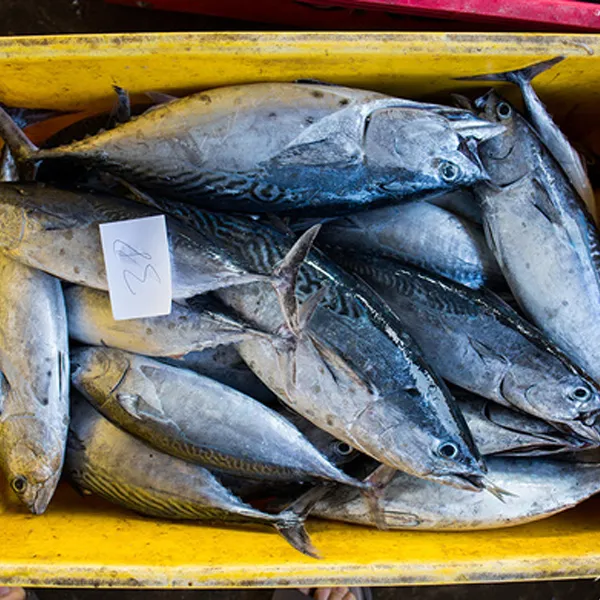

If you're looking for a different cut of skipjack tuna, we offer Frozen Bonito Tuna. It's a great choice for those who want a specific type of tuna for their recipes.
Impact of Environmental Changes on Symbiotic Relationships
The symbiotic relationships of skipjack tuna are not static. They can be affected by environmental changes. For example, if the water temperature changes due to climate change, it can impact the distribution and behavior of the remoras, pilot fish, and parasites.
Warmer waters may cause some of the parasites to become more active and reproduce more quickly, increasing the parasite load on the tuna. At the same time, changes in water temperature can also affect the migration patterns of the tuna and its symbiotic partners. This can disrupt the established relationships and potentially lead to negative impacts on the tuna's survival and well - being.
As a supplier, we're committed to providing sustainable skipjack tuna. We work closely with fishermen who follow responsible fishing practices to ensure that the tuna populations remain healthy and that these important symbiotic relationships in the ocean are maintained.
Why Choose Our Skipjack Tuna?
We take pride in our skipjack tuna. Our tuna is sourced from the best fishing grounds in the world. We use state - of - the - art freezing techniques to preserve the freshness and flavor of the tuna. Whether you're a restaurant owner, a seafood distributor, or a home cook, our skipjack tuna is a great choice.
Our team is always ready to answer your questions and help you with your procurement needs. We offer competitive prices and excellent customer service. We understand that the quality of the tuna is crucial for your business, and we're dedicated to providing you with the best product possible.
If you're interested in learning more about our skipjack tuna or want to start a procurement discussion, don't hesitate to reach out. We're here to make your buying experience as smooth and enjoyable as possible.
Conclusion
In conclusion, skipjack tuna have a fascinating set of symbiotic relationships in the ocean. From the commensalism with remoras to the mutualism with pilot fish and the struggle against parasites, these relationships play an important role in the tuna's life. As a supplier, we're not only focused on providing great - tasting skipjack tuna but also on ensuring the sustainability of these relationships.
So, if you're in the market for high - quality skipjack tuna, give us a chance. We're confident that you'll be satisfied with our products and services. Let's work together to bring the deliciousness of skipjack tuna to your table.
References
- Castro, P., & Huber, M. E. (2003). Marine Biology. McGraw - Hill.
- Sale, P. F. (1991). The Ecology of Fishes on Coral Reefs. Academic Press.