


Skipjack tuna, a prominent player in the global seafood market, stands out among its tuna counterparts with distinct characteristics that set it apart. As a dedicated skipjack tuna supplier, I've had the privilege of closely observing and understanding these differences, which not only influence consumer preferences but also play a crucial role in the fishing and culinary industries. In this blog, we'll delve into the key differentiators between skipjack tuna and other tuna species, exploring their biological traits, habitat, commercial value, and culinary uses.
Biological Characteristics
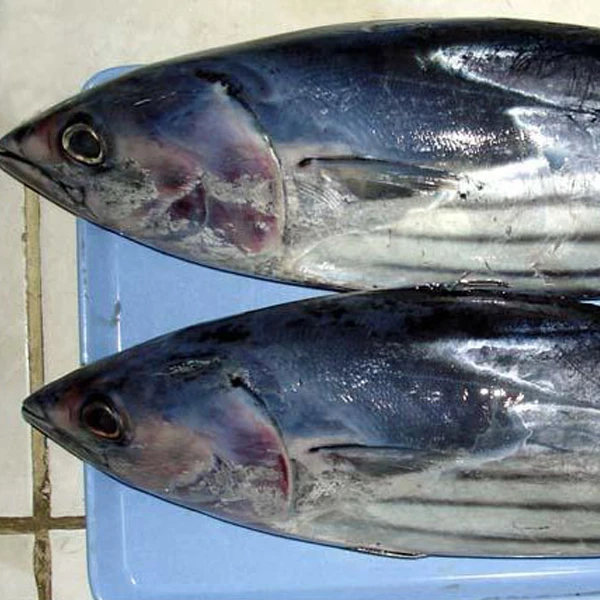
One of the most noticeable differences between skipjack tuna and other tuna species lies in their physical appearance. Skipjack tuna (Katsuwonus pelamis) are relatively smaller, typically reaching lengths of up to 1 meter and weighing around 10 - 20 kilograms. They have a streamlined body with a dark blue to purple back and silver - white sides adorned with distinctive dark, longitudinal stripes. In contrast, larger tuna species like the bluefin tuna can grow to enormous sizes, with the Atlantic bluefin tuna (Thunnus thynnus) reaching lengths of over 3 meters and weighing more than 600 kilograms.
The skipjack tuna's body structure is optimized for speed, with a crescent - shaped tail and a series of finlets behind the dorsal and anal fins that help reduce drag as they swim. Other tuna species, such as the yellowfin tuna (Thunnus albacares), also have streamlined bodies but may have different fin shapes and color patterns. Yellowfin tuna, for example, have bright yellow dorsal and anal fins, which are a striking contrast to the more muted colors of skipjack tuna.
Another biological difference is in their reproductive strategies. Skipjack tuna are known for their high fecundity, meaning they produce a large number of eggs. Females can release hundreds of thousands of eggs during the spawning season, which occurs throughout the year in tropical and subtropical waters. This high reproductive rate allows skipjack tuna populations to replenish relatively quickly compared to some other tuna species. Bluefin tuna, on the other hand, have a slower reproductive rate. They reach sexual maturity at a later age (around 8 - 12 years for Atlantic bluefin) and produce fewer eggs, making their populations more vulnerable to overfishing.
Habitat and Distribution
Skipjack tuna are highly migratory fish that inhabit tropical and subtropical waters around the world. They are commonly found in the open ocean, preferring water temperatures between 18°C and 30°C. Skipjack tuna are often associated with floating objects such as logs, buoys, and sargassum weed, which provide shelter and a source of food. This behavior makes them easier to catch using purse - seine nets, as fishermen can target the areas where these floating objects accumulate.
In contrast, other tuna species have different habitat preferences. Bluefin tuna are found in both temperate and tropical waters, with the Atlantic bluefin tuna migrating across the Atlantic Ocean between their spawning grounds in the Gulf of Mexico and the Mediterranean Sea. They are deep - water fish, often diving to depths of several hundred meters in search of prey. Yellowfin tuna also inhabit tropical and subtropical waters but are more likely to be found in deeper waters compared to skipjack tuna. They are known to form large schools and can be found in areas with strong ocean currents.
The wide distribution of skipjack tuna makes them one of the most accessible tuna species for fishermen. Their preference for surface waters and association with floating objects allow for efficient fishing methods, which contributes to their high commercial availability.
Commercial Value
Skipjack tuna is a major player in the global canned tuna market. Its relatively low cost, combined with its mild flavor and firm texture, makes it a popular choice for canning. The high volume of skipjack tuna caught each year helps keep the price of canned tuna affordable for consumers around the world. In fact, skipjack tuna accounts for a significant portion of the world's canned tuna production.
Other tuna species, such as bluefin tuna, are highly prized in the sushi and sashimi markets. The rich, fatty meat of bluefin tuna commands premium prices, especially in Japan. A single large bluefin tuna can sell for hundreds of thousands of dollars at Tokyo's famous Tsukiji fish market. Yellowfin tuna is also popular in the sushi and sashimi trade, as well as for fresh and frozen sales. Its meat is less fatty than bluefin tuna but still has a good flavor and texture.
As a skipjack tuna supplier, I understand the importance of providing high - quality skipjack tuna at competitive prices. Our Frozen Skipjack Tuna Whole Round is carefully processed and frozen to preserve its freshness and flavor. We also offer Frozen Bonito Tuna and Frozen Bonito Skipjack Tuna, which are popular choices for our customers.
Culinary Uses
Skipjack tuna has a mild, yet distinct flavor that makes it versatile in the kitchen. It can be cooked in a variety of ways, including grilling, baking, and pan - frying. When cooked, skipjack tuna retains its firm texture, making it suitable for salads, sandwiches, and casseroles. Its mild flavor also allows it to pair well with a wide range of seasonings and sauces.
In many Asian cuisines, skipjack tuna is used to make dashi, a traditional Japanese soup stock. The dried and smoked skipjack tuna flakes, known as katsuobushi, are shaved and added to hot water to create a savory and umami - rich broth. This broth is the base for many Japanese dishes, such as miso soup, udon noodles, and tempura dipping sauce.
Other tuna species have different culinary applications. Bluefin tuna is often served raw as sushi or sashimi, where its fatty meat melts in the mouth. Yellowfin tuna can also be served raw, but it is also commonly grilled or seared and served with a light sauce.
Sustainability
Sustainability is a growing concern in the tuna fishing industry. Skipjack tuna is generally considered one of the more sustainable tuna species due to its high reproductive rate and wide distribution. Many skipjack tuna fisheries are managed using sustainable fishing practices, such as catch limits and size restrictions. This helps ensure that skipjack tuna populations remain healthy and can continue to support the global seafood market.

In contrast, some other tuna species, such as bluefin tuna, have faced significant population declines due to overfishing. Conservation efforts are underway to protect bluefin tuna populations, including strict fishing quotas and international agreements. As a skipjack tuna supplier, we are committed to sustainable fishing practices and work closely with our fishing partners to ensure that our products are sourced responsibly.
Conclusion
In conclusion, skipjack tuna differs from other tuna species in many ways, including its biological characteristics, habitat, commercial value, culinary uses, and sustainability. Its mild flavor, high availability, and relatively low cost make it a popular choice for consumers around the world, especially in the canned tuna market. As a skipjack tuna supplier, we take pride in offering high - quality skipjack tuna products that meet the needs of our customers.
If you're interested in purchasing skipjack tuna for your business, whether it's for canning, culinary use, or other applications, we'd love to hear from you. Contact us to discuss your requirements and start a partnership that will bring the best skipjack tuna to your table.
References
- Collette, B. B., & Nauen, C. E. (1983). FAO species catalogue. Vol. 2. Scombrids of the world. An annotated and illustrated catalogue of tunas, mackerels, bonitos and related species known to date. FAO Fisheries Synopsis, (125(2)), 1 - 242.
- Myers, R. A., & Worm, B. (2003). Rapid worldwide depletion of predatory fish communities. Nature, 423(6937), 280 - 283.
- Watson, R., & Pauly, D. (2001). Systematic distortions in world fisheries catch trends. Nature, 414(6863), 534 - 536.