


Hey there! As a supplier of Squid Whole Round, I often get asked about the iron levels in these delicious sea creatures. So, I thought I'd dive deep into this topic and share what I've learned.
First off, let's talk about why iron is so important. Iron is an essential mineral that plays a crucial role in our bodies. It helps carry oxygen from our lungs to the rest of our cells, supports our immune system, and aids in energy production. Without enough iron, we can feel tired, weak, and even develop anemia.
Now, let's get to the main question: What are the iron levels in Squid Whole Round? Well, squid is actually a great source of iron. On average, a 3-ounce (85-gram) serving of cooked squid contains about 1.8 milligrams of iron. That's about 10% of the recommended daily intake for men and 20% for women.
The iron in squid is in the form of heme iron, which is more easily absorbed by our bodies compared to non-heme iron found in plant-based foods. This means that when you eat squid, your body can make the most of the iron it provides.
But the benefits of squid don't stop at iron. It's also packed with other important nutrients like protein, vitamin B12, selenium, and omega-3 fatty acids. Protein is essential for building and repairing tissues, while vitamin B12 is important for nerve function and the production of red blood cells. Selenium is a powerful antioxidant that helps protect our cells from damage, and omega-3 fatty acids are known for their heart-healthy benefits.
If you're looking for a convenient way to add squid to your diet, you might want to check out our Frozen Illex Squid. It's pre-packaged and ready to cook, making it a great option for busy weeknights. And if you prefer the whole round squid, we've got you covered with our Squid Whole Round. It's perfect for grilling, frying, or adding to your favorite seafood dishes.
Another popular option is our Pacific Squid Ring. These tender and flavorful rings are a hit with both kids and adults. You can use them in stir-fries, pasta dishes, or just enjoy them on their own as a snack.
So, how can you cook squid to make the most of its nutritional value? Well, there are plenty of ways to prepare squid, but some methods are better than others. For example, grilling or baking squid is a great way to keep the nutrients intact while adding a delicious smoky flavor. Avoid overcooking squid, as it can become tough and rubbery.
If you're new to cooking squid, here's a simple recipe to get you started:

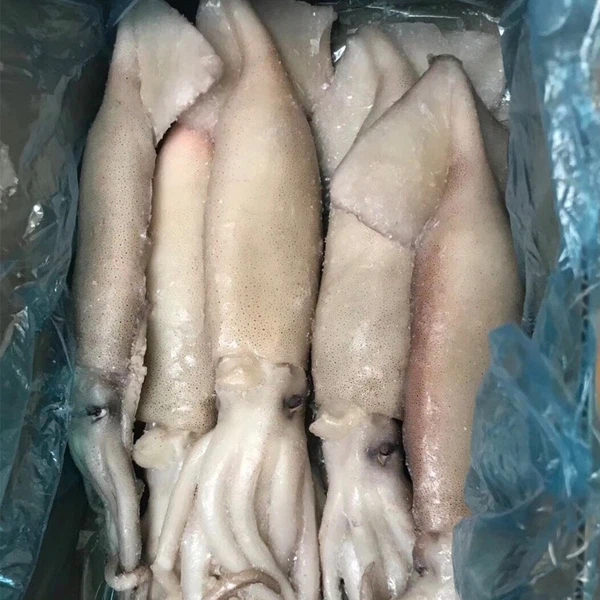
Grilled Squid with Lemon and Herbs
Ingredients:
- 1 pound of Squid Whole Round
- 2 tablespoons of olive oil
- 2 cloves of garlic, minced
- 1 tablespoon of fresh lemon juice
- 1 tablespoon of chopped fresh herbs (such as parsley, thyme, or oregano)
- Salt and pepper to taste
Instructions:
- Clean the squid by removing the head, tentacles, and internal organs. Rinse the squid under cold water and pat it dry with a paper towel.
- In a small bowl, whisk together the olive oil, garlic, lemon juice, herbs, salt, and pepper.
- Brush the squid with the olive oil mixture, making sure to coat it evenly.
- Preheat your grill to medium-high heat. Place the squid on the grill and cook for 2-3 minutes per side, or until it's opaque and slightly charred.
- Remove the squid from the grill and let it rest for a few minutes before serving.
This grilled squid is not only delicious but also a great way to get your daily dose of iron and other nutrients. You can serve it as an appetizer, a main course, or even add it to a salad for an extra boost of flavor.
In conclusion, Squid Whole Round is a nutritious and delicious seafood option that's rich in iron and other important nutrients. Whether you're looking to improve your health or just want to try something new, squid is definitely worth adding to your diet. So, why not give it a try?
If you're interested in purchasing our Squid Whole Round or any of our other frozen seafood products, please don't hesitate to contact us for a quote. We'd love to work with you and help you find the perfect seafood for your needs.
References:
- USDA FoodData Central
- Harvard T.H. Chan School of Public Health