


Hey there! I'm a supplier of frozen squid, and I get a ton of questions about the regulations for importing this delicious seafood. So, I thought I'd put together this blog post to share what I know and help you navigate the process.
First off, it's important to understand that the regulations for importing frozen squid can vary from country to country. Each nation has its own set of rules and requirements to ensure the safety and quality of the food that enters its borders. But there are some common factors that you'll likely encounter no matter where you're shipping your squid.
Documentation Requirements
One of the most crucial aspects of importing frozen squid is having the right documentation. This includes things like a commercial invoice, a packing list, and a certificate of origin. The commercial invoice provides details about the transaction, such as the quantity, price, and description of the squid. The packing list shows how the squid is packed and labeled, which is important for customs clearance. And the certificate of origin indicates where the squid was caught or produced, which can affect things like tariffs and trade agreements.
In addition to these basic documents, you may also need to provide a health certificate or a phytosanitary certificate, depending on the importing country's requirements. These certificates confirm that the squid meets the health and safety standards of the destination country. For example, they may show that the squid has been properly processed, stored, and transported to prevent the spread of diseases or contaminants.
Quality and Safety Standards
Another key factor in importing frozen squid is meeting the quality and safety standards of the importing country. This means that the squid must be free from any harmful substances, such as pesticides, heavy metals, or bacteria. It also needs to be properly labeled with information about the product, including its origin, ingredients, and storage instructions.
To ensure that your squid meets these standards, you'll need to work with a reputable supplier who follows good manufacturing practices (GMP) and has a quality control system in place. This includes things like proper handling and storage of the squid, as well as regular testing to check for any contaminants or quality issues.
Tariffs and Duties
Tariffs and duties are another important consideration when importing frozen squid. These are taxes that are imposed on imported goods by the government of the importing country. The amount of tariffs and duties you'll need to pay can vary depending on a number of factors, such as the type of squid, its origin, and the value of the shipment.
To find out what tariffs and duties apply to your shipment, you can check the customs regulations of the importing country or consult with a customs broker. A customs broker is a professional who specializes in helping importers navigate the customs clearance process and can provide you with accurate information about the tariffs and duties you'll need to pay.
Shipping and Logistics
Once you've taken care of the documentation, quality standards, and tariffs, it's time to think about shipping and logistics. This includes things like choosing the right shipping method, ensuring proper packaging and labeling, and arranging for customs clearance.

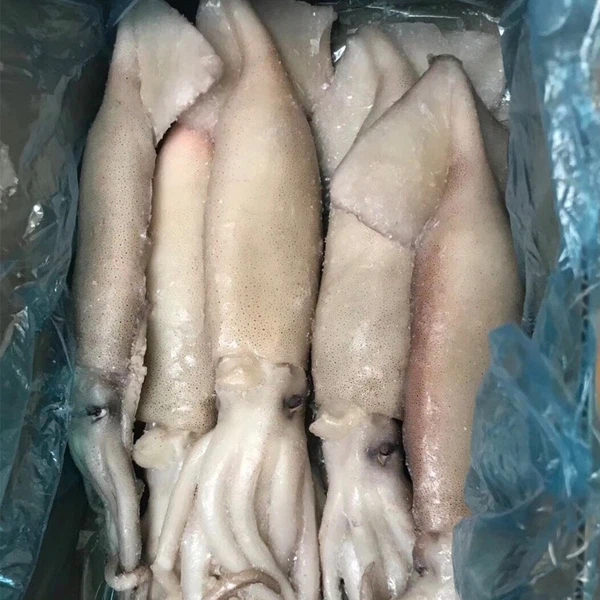
When it comes to shipping frozen squid, you'll typically have two options: air freight or sea freight. Air freight is faster but more expensive, while sea freight is slower but more cost-effective. The choice between the two will depend on your budget, the urgency of the shipment, and the distance it needs to travel.
Proper packaging and labeling are also crucial to ensure that the squid arrives at its destination in good condition. The squid should be packed in insulated containers or boxes to keep it frozen during transit. It should also be labeled with clear instructions on how to handle and store the product, as well as any relevant safety information.
Finally, you'll need to arrange for customs clearance at the port of entry. This involves submitting the necessary documentation to the customs authorities and paying any applicable tariffs and duties. A customs broker can help you with this process and ensure that everything is done correctly to avoid any delays or issues.
Types of Frozen Squid
As a frozen squid supplier, I offer a variety of different types of squid to meet the needs of my customers. Some of the most popular types of frozen squid include Frozen Illex Squid, Pacific Squid Ring, and Squid Whole Round.
Frozen Illex Squid is a type of squid that is commonly found in the Atlantic Ocean. It has a mild, sweet flavor and a tender texture, making it a popular choice for a variety of dishes. Pacific Squid Ring, on the other hand, is a type of squid that is found in the Pacific Ocean. It has a slightly firmer texture and a more pronounced flavor, making it a great choice for grilling or frying.
Squid Whole Round is another popular option. As the name suggests, it is a whole squid that has been cleaned and frozen. This type of squid is versatile and can be used in a variety of dishes, from stir-fries to soups.
Conclusion
Importing frozen squid can be a complex process, but with the right knowledge and preparation, it can also be a rewarding one. By understanding the regulations, quality standards, tariffs, and logistics involved, you can ensure that your shipment arrives at its destination safely and on time.
If you're interested in purchasing frozen squid from me, I'd love to hear from you. I offer high-quality frozen squid at competitive prices, and I'm committed to providing excellent customer service. Whether you're a restaurant owner, a seafood distributor, or just a seafood lover, I'm here to help you find the perfect squid for your needs.
So, if you have any questions or would like to discuss your requirements, please don't hesitate to get in touch. I look forward to hearing from you and working with you to meet your frozen squid needs.
References
- Various customs regulations of different countries
- Industry guidelines on seafood quality and safety
- Information from international seafood trade organizations