


As a seasoned frozen squid supplier, I've witnessed firsthand the growing demand for high - quality frozen squid in the market. Whether it's for restaurants, seafood distributors, or home cooks, the search for top - notch frozen squid is a constant. In this blog, I'll share the key signs that indicate high - quality frozen squid, helping you make informed purchasing decisions.

Appearance
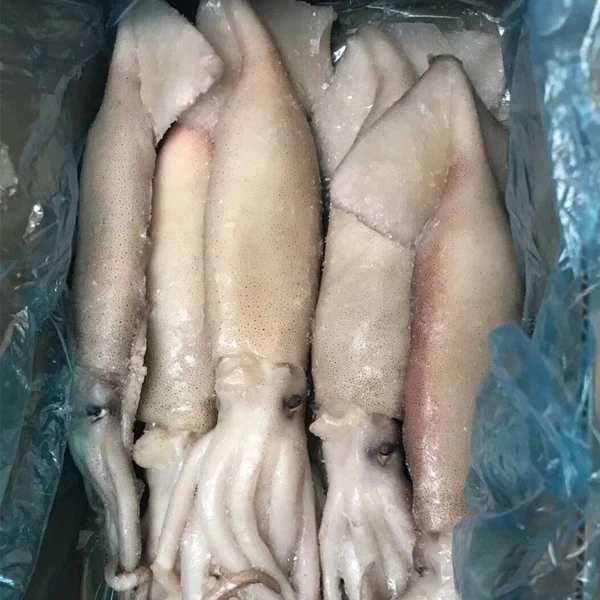
The first thing you'll notice about high - quality frozen squid is its appearance. When you take a frozen squid out of the package, it should have a natural, translucent color. For whole squids, the skin should be intact, with a smooth texture. Any discoloration, such as dark patches or a dull, grayish hue, can be a sign of poor quality or improper storage.
The eyes of the squid are also a good indicator. In fresh - frozen high - quality squid, the eyes should be clear and bulging. Cloudy or sunken eyes often suggest that the squid was not fresh when it was frozen or has been thawed and refrozen.
For squid rings, like our Pacific Squid Ring, they should have a regular shape and uniform thickness. Irregularly shaped or unevenly cut rings may be a result of hasty processing, which can affect the cooking and eating experience.
Odor
A fresh, clean odor is a hallmark of high - quality frozen squid. The smell should be reminiscent of the sea, with a faint, briny scent. If the squid has a strong, fishy or ammonia - like odor, it's a red flag. This type of odor can indicate spoilage, improper handling, or the use of low - quality raw materials.
When you open the package of frozen squid, take a moment to give it a gentle sniff. A pleasant, mild sea smell means that the squid was properly cleaned and frozen at the right time. On the other hand, an overpowering or unpleasant odor can make the squid unappetizing, even after cooking.
Texture
The texture of high - quality frozen squid is crucial. When thawed, the squid should be firm but still tender. You should be able to feel a slight resistance when you press on the flesh, but it shouldn't be rubbery or mushy.
In the case of frozen squid tubes, they should have a smooth and elastic texture. If the tubes are too tough or break easily, it could be due to over - freezing or the use of older squid. For squid tentacles, they should be plump and have a nice "bounce" to them.
Our Frozen Illex Squid is known for its excellent texture. The flesh is firm yet succulent, making it perfect for a variety of cooking methods, from grilling to frying.
Packaging
Good packaging is often overlooked but is an important sign of high - quality frozen squid. The packaging should be airtight and durable, protecting the squid from freezer burn and contamination. It should also clearly display important information such as the species of squid, the date of freezing, and storage instructions.
A well - sealed package helps to maintain the quality of the squid during transportation and storage. If the package is damaged, torn, or has signs of leakage, it's best to avoid it. This could mean that the squid has been exposed to air, which can lead to spoilage and a loss of quality.
Source and Traceability
Knowing the source of the squid is essential for ensuring high quality. High - quality frozen squid comes from sustainable fisheries that follow strict fishing regulations. This not only guarantees the freshness and quality of the squid but also supports environmental conservation.
A reliable supplier should be able to provide information about the origin of the squid, including the fishing location and the fishing methods used. Traceability is also important. You should be able to track the journey of the squid from the ocean to your freezer.
Our Squid Whole Round is sourced from carefully selected fisheries. We work closely with fishermen who adhere to sustainable fishing practices, ensuring that you get the freshest and highest - quality squid.
Processing Methods
The way the squid is processed can significantly impact its quality. High - quality frozen squid is processed quickly after being caught to preserve its freshness. It should be thoroughly cleaned to remove any internal organs, ink, and debris.
Proper freezing methods are also crucial. Flash - freezing is often used for high - quality frozen squid. This method freezes the squid rapidly, preventing the formation of large ice crystals that can damage the cell structure of the flesh. As a result, the squid retains its natural flavor, texture, and nutrients.
Nutritional Value
High - quality frozen squid is a good source of protein, vitamins, and minerals. It is low in fat and calories, making it a healthy choice for many diets. When you're looking for frozen squid, consider its nutritional value.
Squid is rich in vitamin B12, which is important for nerve function and the production of red blood cells. It also contains selenium, an antioxidant that helps protect the body from damage. A high - quality frozen squid should retain these nutritional benefits, providing you with a healthy and delicious food option.
Cooking Performance
Finally, the cooking performance of frozen squid is a key sign of its quality. High - quality squid cooks evenly and retains its shape and texture during the cooking process. It doesn't fall apart easily and develops a delicious flavor.
Whether you're making calamari, stir - fries, or soups, the squid should cook up nicely. It should be tender and flavorful, without any off - tastes or a tough, chewy consistency.
In conclusion, identifying high - quality frozen squid involves considering multiple factors, from appearance and odor to source and cooking performance. As a supplier, I'm committed to providing you with the best - quality frozen squid that meets all these criteria.
If you're interested in purchasing high - quality frozen squid for your business or personal use, I invite you to reach out. We can discuss your specific requirements and provide you with samples to ensure that our products meet your expectations. Let's start a conversation about how we can work together to bring the finest frozen squid to your table.
References
- "Seafood Quality and Safety" by John R. Regenstein
- "The Science of Seafood" by Jae W. Park